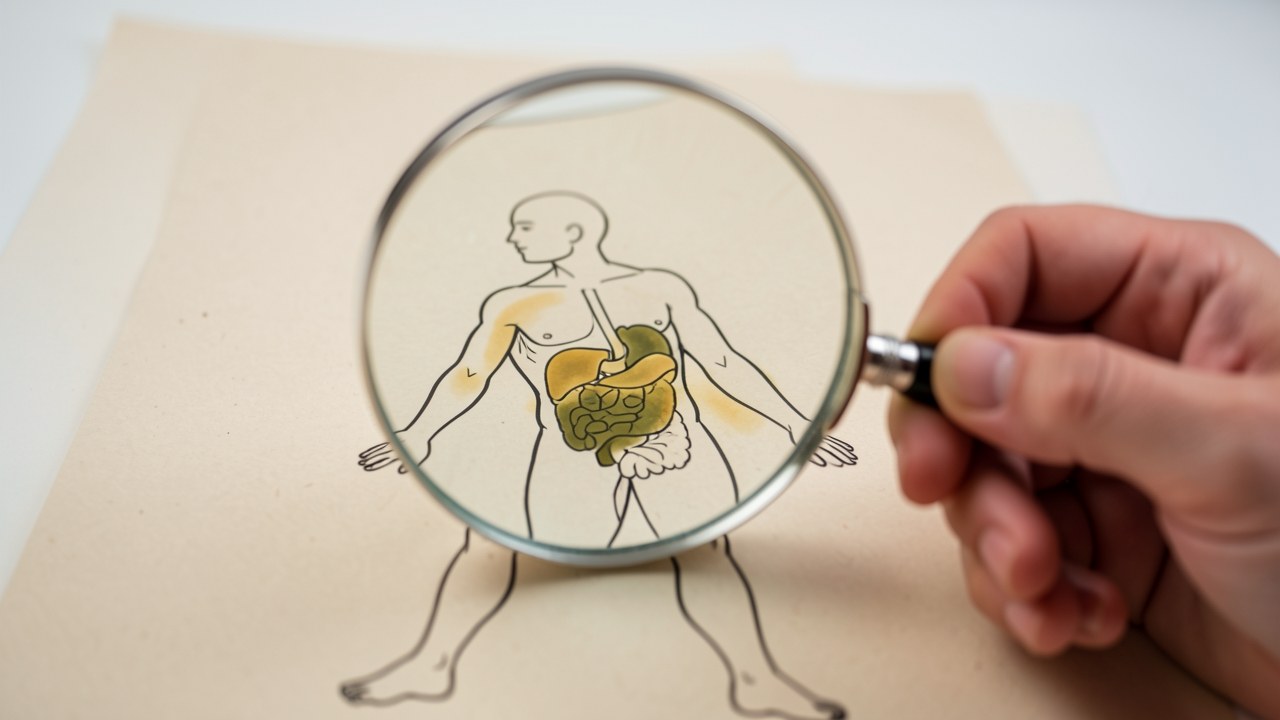
How to Use This Guide
Nutrient deficiencies are common among American adults. National survey data from 2005–2016 analyzed in the peer-reviewed journal Nutrients found notably high rates of inadequate intake for vitamins A, C, D, and E, as well as zinc. However, low dietary intake does not automatically mean a clinical deficiency—blood levels can remain normal for some time, and symptoms vary widely.
This guide describes possible signs of vitamin and mineral deficiencies in adults. Use it to become more aware of symptoms that may warrant a conversation with a healthcare provider. It is not a diagnostic tool. Only a qualified professional can determine whether your symptoms are caused by a deficiency or by another condition.
- Read the sections that apply to your symptoms, but remember that many signs overlap between nutrients.
- Pay attention to patterns—for example, multiple signs from the same nutrient deficiency.
- Keep a list of your symptoms and any relevant details to discuss with your doctor.
- Never attempt self-diagnosis or self-treatment based on this guide alone.
Sources: Nutrients
General Signs of Poor Nutrition
Some symptoms are more general and can appear with several different nutrient shortfalls. These are often the first clues that a person’s diet may not be meeting their needs.
If you are experiencing several of these, your overall eating pattern may be missing key nutrients.
- Frequent colds or infections
- Fatigue or low energy
- Poor wound healing
- Dry, dull, or thinning hair
- Brittle or cracked nails
- Dry skin or a rough, bumpy rash
- Cracks at the corners of the mouth
Sources: Salisbury University, Rush University Medical Center, Medical News Today
Fat-Soluble Vitamin Deficiency Signs (A, D, E, K)
Fat-soluble vitamins—A, D, E, and K—are absorbed with dietary fat. Deficiencies can be subtle but have distinct signs.
Vitamin A deficiency can cause night blindness and dry eyes, which are classic symptoms. In more severe cases, Bitot spots (foamy patches on the white of the eye) may develop.
Vitamin D inadequacy is extremely common in the United States; according to NHANES data analyzed in 2020, 95% of adults had intakes below the Estimated Average Requirement. A deficiency can contribute to bone pain, muscle weakness, and fatigue.
Vitamin E deficiency is rare in healthy adults and usually occurs when fat absorption is impaired, such as in cystic fibrosis or chronic cholestatic liver disease.
Vitamin K deficiency may be associated with easy bruising or prolonged bleeding, though this is often linked to underlying health conditions rather than diet alone.
- Night blindness (vitamin A)
- Dry eyes or Bitot spots (vitamin A)
- Bone pain or muscle weakness (vitamin D)
- Fatigue (vitamin D)
- Easy bruising (vitamin K; also C and zinc)
- Rare: nerve or muscle problems from vitamin E deficiency, usually with fat malabsorption
Sources: Medical News Today, Clinical Interventions in Aging, Nutrients, Rush University Medical Center, Salisbury University
Water-Soluble Vitamin Deficiency Signs (B Vitamins, C)
The B-complex vitamins and vitamin C are water-soluble. Deficiencies often affect the skin, mouth, blood, and nervous system.
Riboflavin (B2) deficiency can cause cheilosis (cracks at the corners of the mouth) and corneal vascularization (growth of blood vessels into the cornea). Pyridoxine (B6) deficiency may lead to convulsions, hyperirritability, or peripheral neuropathy. Folate (B9) and cobalamin (B12) deficiencies can cause megaloblastic anemia, along with fatigue, pale skin, and glossitis (a swollen, smooth tongue). B12 deficiency can also cause paresthesias (burning or tingling), depression, anxiety, and cognitive issues.
A burning sensation in the feet or tongue has been specifically linked to vitamin B12 deficiency.
Vitamin C deficiency can lead to scurvy, which includes swollen gums, petechiae (tiny red spots from broken capillaries), anemia, poor wound healing, and corkscrew hairs. Early signs may include slow-healing wounds and bleeding gums.
- Cracks at mouth corners (B2, B3, B6)
- Skin rash or dermatitis (B vitamins, C, A, zinc)
- Mouth ulcers or a sore, swollen tongue (folate, B12)
- Burning or tingling in hands or feet (B12)
- Weakness, fatigue, or shortness of breath (folate, B12, C)
- Swollen or bleeding gums (C)
- Bruising easily (C, K)
Sources: World Journal of Methodology, Rush University Medical Center
Mineral Deficiency Signs (Iron, Calcium, Magnesium)
Minerals like iron, calcium, and magnesium are essential for many body functions. Their deficiencies can produce symptoms that overlap with vitamin deficiencies.
Iron deficiency is a common cause of anemia. Signs include fatigue, pale skin, shortness of breath, and cold hands and feet. Severe or sudden hair loss can be a sign of iron deficiency.
Calcium deficiency can cause an irregular heartbeat and muscle cramps. Since calcium is critical for bone health, a prolonged deficiency may also contribute to osteoporosis, though that is not a symptom you can feel directly.
Magnesium deficiency may be associated with muscle cramps and fatigue, though these symptoms are common and can have many causes.
- Fatigue or weakness (iron, magnesium)
- Pale skin (iron, folate, B12)
- Shortness of breath on exertion (iron)
- Cold hands and feet (iron)
- Irregular heartbeat (calcium)
- Muscle cramps (calcium, magnesium)
- Sudden, severe hair loss (iron)
Sources: Salisbury University, Medical News Today, Rush University Medical Center
When Symptoms Might Be Due to Something Else
Many deficiency signs are not specific to a single nutrient. For example, fatigue can result from poor sleep, stress, thyroid problems, or depression. Hair loss may indicate iron deficiency or thyroid disease. Skin changes can be caused by allergies, eczema, or infections.
The only way to know if you have a deficiency is through proper medical evaluation. Self-diagnosing based on symptoms alone can be inaccurate and may delay treatment for an underlying condition.
If your symptoms are persistent, worsening, or concerning, make an appointment with a healthcare provider.
- Nonspecific symptoms overlap with many conditions.
- Some symptoms (like hair loss) may have hormonal or autoimmune causes.
- Blood tests and a clinical exam can clarify the cause.
Sources: Rush University Medical Center, Salisbury University
Diagnostic Testing and What to Expect
To diagnose a vitamin or mineral deficiency, a doctor will typically take a detailed history and order blood tests. There is no single “vitamin panel” that checks everything; the tests depend on your symptoms and risk factors.
Common tests include serum ferritin for iron, vitamin D (25-hydroxyvitamin D), vitamin B12, and folate levels. Your doctor may also check calcium, magnesium, or other nutrients based on your presentation.
A blood draw is a routine procedure: a healthcare professional will take a small sample from a vein in your arm. You may feel a brief pinch, but it is usually quick and well tolerated. Your doctor will give you specific instructions, such as whether you need to fast beforehand.
After the blood is drawn, it is sent to a lab for analysis. The results are typically reviewed by your doctor, who will explain what they mean for you. Ask your doctor when you can expect to receive your results and whether you need a follow-up appointment to discuss them.
- Blood draw is routine and quick.
- Fasting may not be necessary, but follow your doctor’s instructions.
- Ask your doctor when to expect results.
- Reference ranges vary by lab; your doctor will interpret them based on your situation.
Sources: Medical News Today
When to See a Healthcare Provider
You should see a healthcare provider if you have persistent or severe symptoms that could indicate a deficiency. Sudden hair loss, fatigue that interferes with daily life, or unusual skin or mouth changes are good reasons to seek advice.
A medical professional can determine whether your symptoms are due to a deficiency or another cause, and can recommend appropriate testing and treatment. Do not attempt to treat a suspected deficiency with high-dose supplements without medical guidance, as excessive intake of some vitamins can be harmful.
- Symptoms that do not improve with a balanced diet
- Signs of anemia (fatigue, pale skin, shortness of breath)
- Neurological symptoms like tingling or burning
- Bone pain or muscle weakness
- If you are considering supplements, talk to your doctor first
Frequently asked questions
What is the most common vitamin deficiency in the U.S.?
Based on NHANES data from 2005–2016, vitamin D inadequacy was extremely common, with 95% of U.S. adults having intakes below the Estimated Average Requirement. However, that analysis is not current, and prevalence may have changed. In the same data, vitamin E inadequacy affected 84%, vitamin C 46%, and vitamin A 45% of adults.
Sources: NutrientsCan vitamin deficiency cause hair loss?
Yes. Severe or sudden hair loss can be a sign of iron deficiency, which is common. Dry, dull, or thinning hair may also be linked to deficiencies in protein, biotin, or other nutrients. However, hair loss can also be caused by thyroid disease or other conditions, so it is important to have a doctor evaluate it.
Sources: Rush University Medical Center, Salisbury UniversityAre there visible signs of deficiency on the skin?
Yes. Skin changes can include dermatitis or a red, scaly rash (often with B-complex vitamins, vitamins A and C, or zinc), easy bruising (vitamins C and K, zinc), and slow-healing wounds (vitamin C). Cracks at the corners of the mouth can indicate a B-vitamin deficiency.
Sources: Salisbury University, Rush University Medical CenterHow do doctors test for vitamin deficiencies?
Doctors typically order blood tests based on your symptoms and risk factors. Common tests include vitamin D, vitamin B12, folate, ferritin (iron), and sometimes calcium or magnesium. There is no single test for all vitamins, so the doctor will decide which to check.
Sources: Medical News TodaySources
- Do You Have Vitamin or Mineral Deficiencies? Check These Signs. — Salisbury University
- 6 Signs of Nutrient Deficiency — Rush University Medical Center
- Scoping review of micronutrient imbalances, clinical manifestations, and interventions — World Journal of Methodology
- Vitamins in Aging, Health, and Longevity — Clinical Interventions in Aging
- Inadequacy of Immune Health Nutrients: Intakes in US Adults, the 2005–2016 NHANES - PMC — Nutrients
- Vitamin deficiency: Signs, symptoms, diagnosis, and management — Medical News Today